-1758177633.png)
To More Inquiry
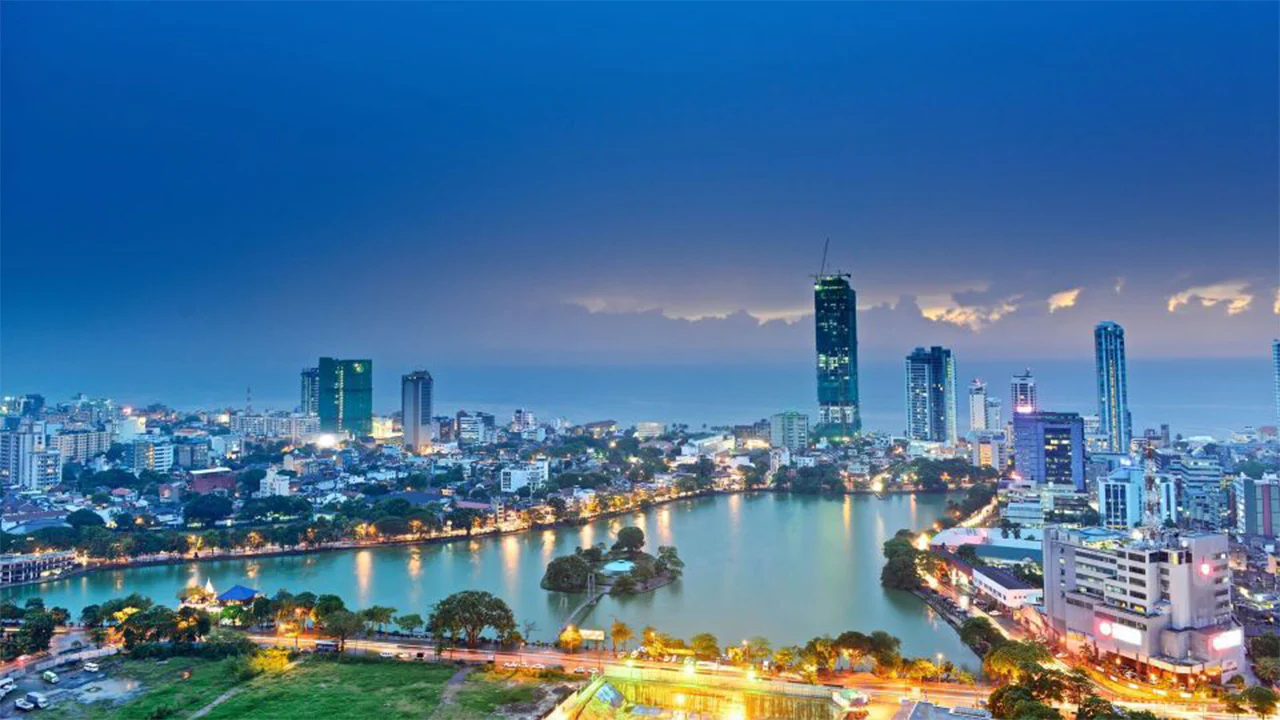
Colombo has one of the most significant histories of any city in Sri Lanka, tracing its heritage back to ancient trade routes that connected the island to India, Arabia, and China. Considered a gateway to the Indian Ocean, Colombo flourished as a vital port and later as the colonial capital, blending diverse cultural and historical influences
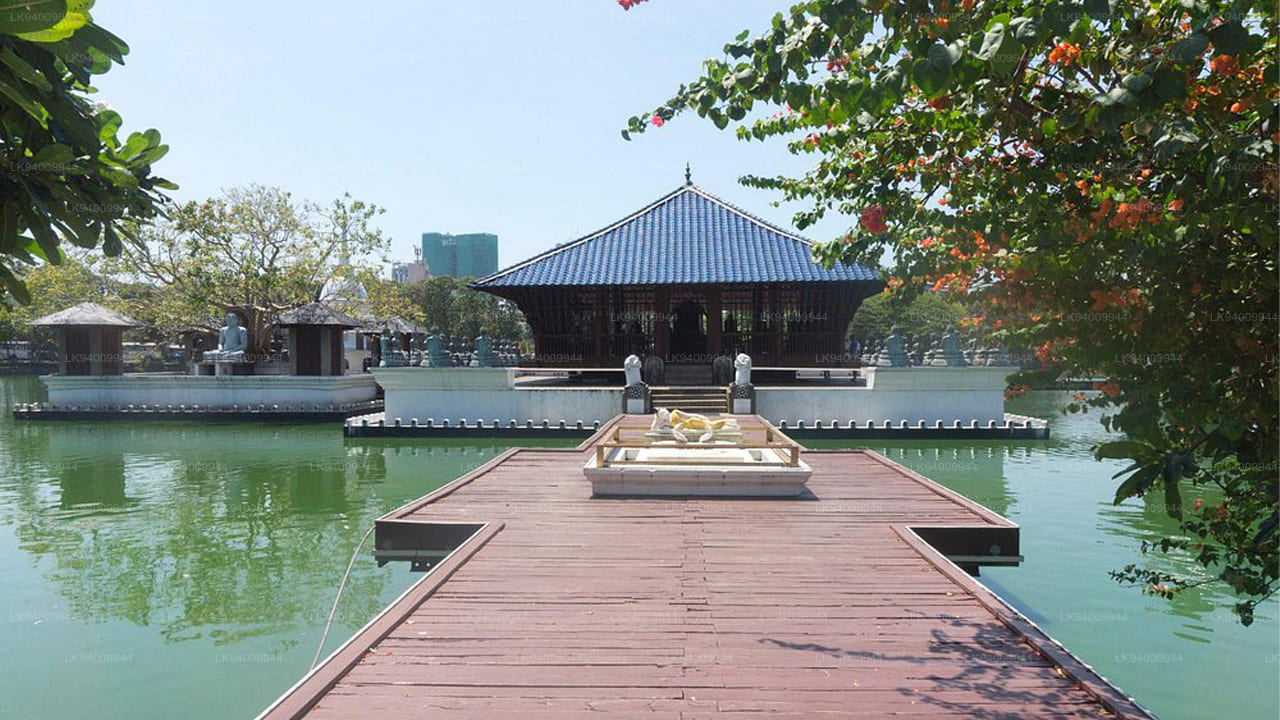
Colombo has one of the most layered histories of any city in Sri Lanka, tracing its heritage back to ancient seafaring routes that connected the island to traders from India, China, Arabia, and beyond. Considered a historic gateway to the Indian Ocean, Colombo grew into a vital port city due to its strategic coastal location, drawing the attention of Portuguese, Dutch, and British colonial powers, each of whom left behind forts, churches, canals, and administrative structures that shaped the city’s development. Colombo’s cultural heritage reflects a vibrant mix of Sinhalese, Tamil, Moor, Burgher, and Malay communities, whose traditions, languages, and religions coexist within the city’s urban fabric. The city also became a centre of Buddhism and Christianity, with temples and churches marking its diverse identity. Modern Colombo dates back to the late 19th century when it was formally developed as the capital under British rule, serving as the island’s administrative and commercial hub. Following Sri Lanka’s independence in 1948, Colombo expanded into a cosmopolitan metropolis, and today it remains the country’s largest city, blending its colonial legacies with modern development and global connectivity.